Your First Trip to Hawaii: A Complete Beginner's Guide

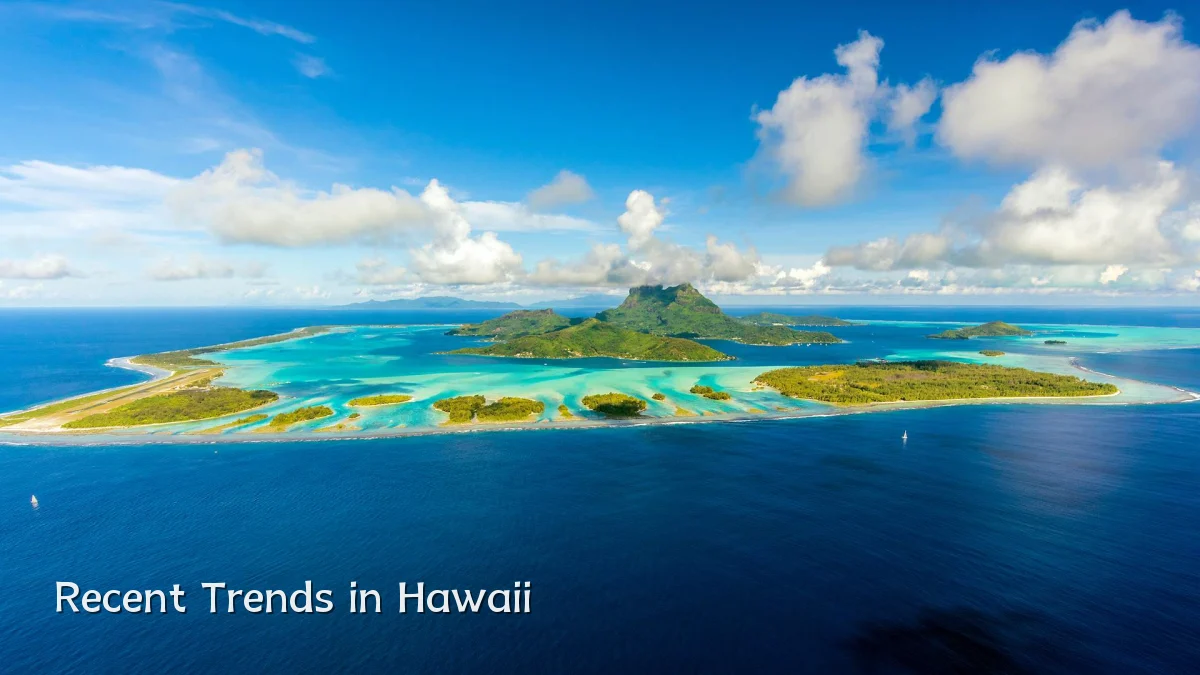
Recent Trends in Hawaii Travel
Hawaii's tourism industry continues to adapt after a period of uneven recovery. Visitor numbers have largely returned to pre-2019 levels on most islands, though patterns have shifted: travelers are booking further in advance, especially for popular state and national park permits. A growing emphasis on sustainable tourism has led to new regulations around short-term rentals and visitor education programs. Many first-timers now plan trips during shoulder seasons—spring and fall—to avoid extreme crowds while still enjoying favorable weather.
Background: What First-Time Visitors Should Know
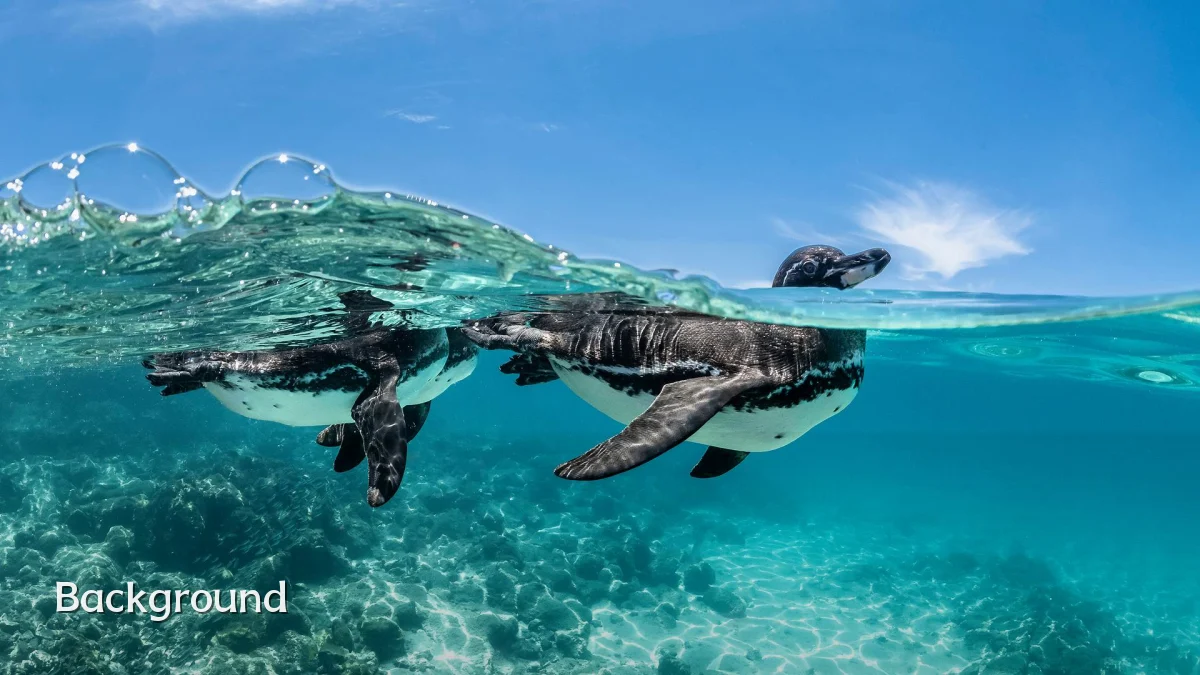
The Hawaiian archipelago consists of six main tourist-accessible islands: Oahu, Maui, Kauai, the Big Island, Lanai, and Molokai. Each offers a distinct experience—from Oahu's urban energy to Kauai's rugged natural landscapes. Beginners often underestimate travel distances between islands and the need for inter-island flights. Culturally, respectful behavior is key: learn basic Hawaiian phrases, avoid touching sea turtles or coral, and never remove lava rocks or sand. Many state parks require timed-entry reservations well in advance.
- Most first-timers choose one or two islands for a 7–10 day trip; hopping three or more islands can be rushed and expensive.
- Renting a car is recommended on all major islands except parts of Oahu served by public transit.
- Lodging ranges from budget hostels to luxury resorts; booking at least four to six months ahead is common for reasonable rates.
Common User Concerns for Beginners
Newcomers frequently worry about costs, logistics, safety, and overtourism. Below are recurring concerns and how travelers typically address them:
- Cost management: Airfare and accommodations are typically the largest expenses. Off-peak travel and staying outside resort districts can reduce costs. Cooking some meals or choosing food trucks over sit-down restaurants also helps.
- Logistics and booking: Flights, rental cars, and popular hikes (e.g., the Kalalau Trail or Diamond Head) often require reservations weeks or months in advance. Last-minute planning limits availability.
- Safety basics: Ocean conditions change quickly—never turn your back on the surf, check lifeguard warnings, and avoid swimming at unguarded beaches during high surf.
- Overcrowding and etiquette: Popular spots may feel crowded; visiting early morning or on weekdays improves the experience. Respect local customs, such as removing shoes before entering someone’s home and not honking unnecessarily.
- Health and environment: Sun exposure is strong; reef-safe sunscreen is required by law on some islands. Tap water is safe on all main islands except possibly in remote areas.
Likely Impact on Your Trip Planning
These factors directly influence how beginners should approach their itinerary. Peak-season travel (mid-December through February, and June through August) means higher prices and limited availability. Off-peak months (April–May, September–October) offer fewer crowds and milder weather, though whale-watching season peaks in winter. Budget-conscious travelers often allocate more time to free attractions like hiking, snorkeling from shore, and exploring state parks. Inter-island travel adds logistical complexity; most travelers spend at least three days per island to avoid feeling rushed. Safety awareness reduces the risk of common incidents, such as sunburn, dehydration, or minor reef injuries.
What to Watch Next
Several developments will shape future trips for beginners. County-level housing regulations may further limit short-term rental options, shifting visitors toward hotels or permitted vacation units. Ongoing coral reef conservation efforts could lead to additional sunscreen bans or restricted access to certain marine areas. Climate-related changes, such as rising sea levels and shifting rainfall patterns, may affect coastal trails and beach conditions over the long term. Travelers should monitor the Hawaii Tourism Authority’s website for updated visitor protocols and also check the National Weather Service’s Hawaii section before departure for real-time surf and weather alerts. For itinerary planning, keep an eye on reservation release calendars for popular state parks and high-demand hiking permits—slots often fill within days of opening.