Ultimate Hawaii Travel Resource: From Booking to Aloha Spirit

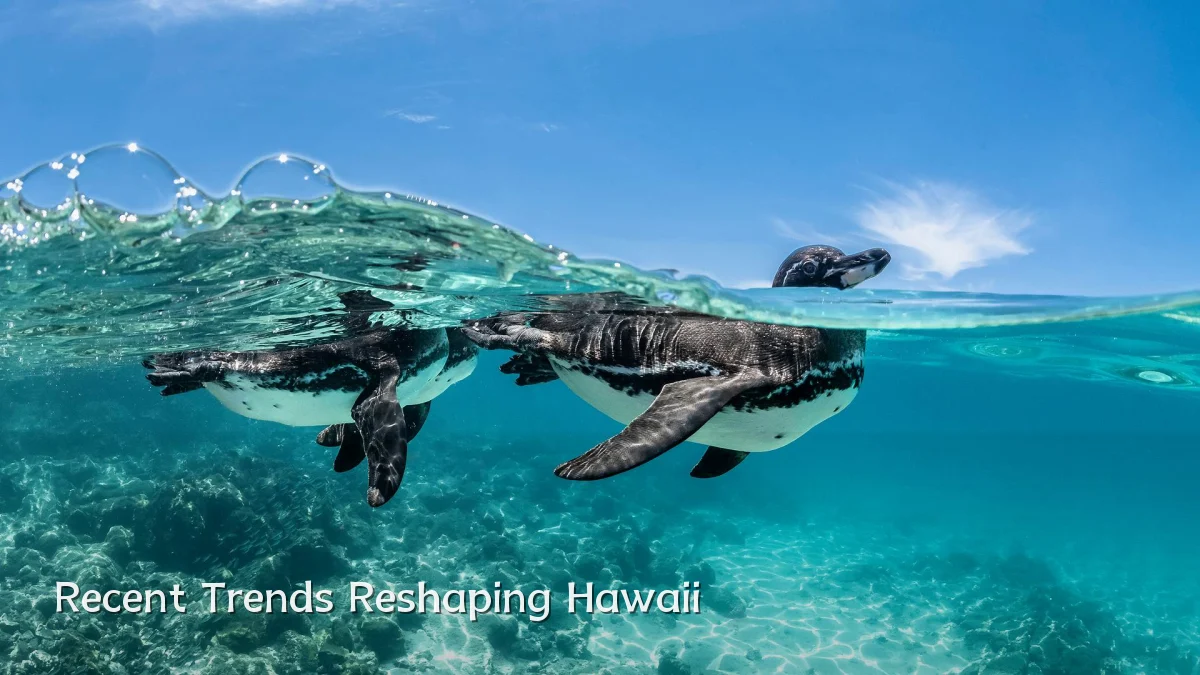
Recent Trends Reshaping Hawaii Travel
Visitor numbers have rebounded to near pre-pandemic levels, driving new demand for accommodations, rental cars, and popular experiences. Travelers increasingly seek more than a beach vacation—they want cultural immersion and sustainable options. Simultaneously, local communities are advocating for policies that limit overcrowding and protect natural resources.
- Rise in remote work stays and “slow travel” itineraries spanning multiple islands.
- Increased use of reservation systems for state parks, hiking trails, and snorkel sites.
- Growing interest in volunteer-based activities (malama programs) as part of the travel experience.
Background: The Pillars of Hawaii Travel Resources
Hawaii’s tourism infrastructure has long relied on online booking platforms, official visitor bureaus, and local guides. The concept of Aloha Spirit—a cultural ethic of hospitality, respect, and mutual care—forms the foundation of how visitors are encouraged to interact with the islands. Key resources include:
- Official tourism websites (e.g., GoHawaii.com) offering curated itineraries, alerts, and cultural protocol guides.
- Accommodation booking channels ranging from major global sites to local bed-and-breakfast networks.
- Permit and reservation portals for activities such as visiting Hanauma Bay, Haleakalā sunrise, or the Kalalau Trail.
- Community-led resources like the “Pono Pledge” that outline responsible visitor behavior.
User Concerns: What Travelers Should Know
Planning a Hawaii trip now involves more than comparing prices. Uncertainty around availability, cost fluctuations, and local regulations often creates friction. Common pain points include:
- Availability books up months in advance for peak seasons—especially for rental cars and popular lodging.
- Hidden fees for resort parking, resort fees, and inter-island baggage.
- Permit delays or cancellations for high-demand trails and parks; some require booking at exact release times.
- Cultural etiquette gaps—visitors may not know local customs (e.g., not touching sea turtles, respecting sacred sites).
- Weather-related disruptions (vog from volcanic activity, winter swell) that change island access or activity safety.
Likely Impact on Travel Planning and Local Communities
As Hawaii refines its tourism model, the effects will ripple outward. Visitors will need to be more proactive and flexible, while communities may see both relief and economic strain.
- Greater reliance on advance reservations limiting spontaneity but also reducing overcrowding in sensitive areas.
- Possible introduction of visitor fees or regional caps to manage infrastructure wear and protect natural spaces.
- Growth of small-scale, culturally guided experiences as travelers shift away from mass-tour buses and chain hotels.
- Spread of “digital nomad” zones with co-working spaces, especially on less developed islands.
- Ongoing debate over short-term rental regulations impacting housing availability for locals.
What to Watch Next
The landscape of Hawaii travel resources will continue to evolve. Key developments to monitor include:
- Whether statewide reservation systems expand to additional attractions or entire parks.
- New county-level taxes or programs aimed at sustainable tourism financing.
- Expansion of malama (give-back) vacation packages that include volunteer work in exchange for reduced lodging rates.
- Integration of real-time crowd data into official travel apps to help visitors avoid peak times.
- Shifts in airline and cruise routes as carriers adjust capacity to match demand.
Hawaii’s travel resources are increasingly about balancing visitor access with preservation of the very beauty and culture that draw people here. The “ultimate” resource may soon be a mindset—one of preparation, patience, and genuine appreciation for the Aloha Spirit.