Complete Oahu Attractions Guide: 50+ Must-See Spots for First-Timers

Oahu remains the most visited Hawaiian island, drawing millions of first-time travelers each year. Recent shifts in travel behavior, combined with the island’s deep cultural and natural diversity, have reshaped how visitors approach the classic “complete Oahu attraction” experience. This analysis examines current trends, the underlying landscape, common visitor concerns, and what to expect next for those planning an itinerary covering 50-plus must-see spots.
Recent Trends in Oahu Tourism and Attractions
First‑time visitors now face a more competitive and reservation‑driven environment than in previous years. Key developments include:
- Advance booking requirements – High‑demand sites such as Diamond Head and Hanauma Bay have tightened reservation windows, often requiring bookings days or weeks ahead.
- Growth of guided cultural tours – Waikīkī’s historic sites, along with the Bishop Museum and Iolani Palace, report increasing interest in expert‑led experiences over self‑guided visits.
- Shift toward dispersed visitation – Crowding at Pearl Harbor and North Shore beaches has led more first‑timers to explore lesser‑known state parks, remote lookouts, and community‑led hikes.
- Digital planning tools – Interactive maps, real‑time traffic alerts, and paid parking apps have become essential, especially for the Windward and North Shore circuits.
Background on Oahu’s Attraction Landscape
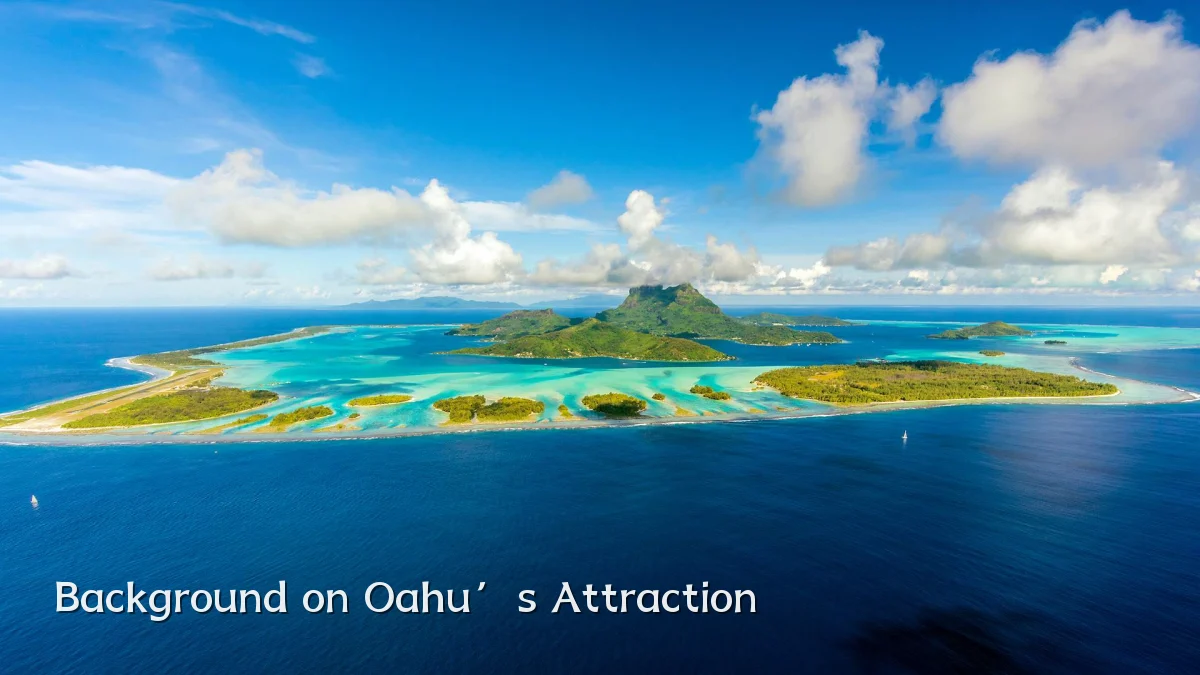
The island’s appeal lies in its compact geography—it houses everything from urban Honolulu landmarks to rainforest trails and white‑sand beaches within a few hours’ drive. The “complete Oahu attraction” list for a first‑timer typically includes 50 to 60 verified sites, blending iconic locations (Diamond Head, Pearl Harbor, Waikīkī Beach) with cultural heritage sites (Polynesian Cultural Center, Puʻu o Mahuka Heiau) and natural wonders (Koko Crater, Mānoa Falls, Hanauma Bay). This diversity allows visitors to design a schedule that mixes high‑energy sightseeing with quiet coastal moments, but it also demands careful route planning to avoid backtracking.
Common User Concerns for First‑Time Visitors
- Overcrowding vs. exclusivity – Many worry about long lines at peak times, especially at sunrise spots and paid attractions. Practical advice includes arriving before 7 a.m. or after 3 p.m.
- Cost and hidden fees – Parking charges, entrance fees for state parks, and reservation booking costs can add up quickly. Budgeting for between USD 15–40 per attraction is realistic.
- Logistics and transportation – Driving the entire island loop in one day is possible but often leaves little time for stops. First‑timers frequently underestimate travel time between the windward side and the North Shore.
- Weather and safety – Sudden rain, strong currents, and sun exposure catch many off‑guard. Current conditions at beaches and trails should be checked each morning.
- Cultural sensitivity – Entering sacred sites or coastal areas without proper awareness is a growing concern. Visitors are advised to research protocols before visiting heiau or fishponds.
Likely Impact of These Trends on Visitor Experience
The current environment means that covering 50‑plus attractions in a single trip—often a week or less—requires more intentional scheduling than a few years ago. Failure to reserve ahead for parks like Diamond Head can derail an entire day’s plan, while relying solely on walk‑up access may limit a first‑timer’s options to the most crowded hours. On the positive side, the trend toward pre‑planned, timed entries reduces wait times at major spots and spreads crowds throughout the day. Visitors who embrace digital tools and flexible itineraries (with backup alternatives for each time slot) report higher satisfaction than those who attempt a rigid checklist. The overall effect is a move away from spontaneous sightseeing toward structured, but still varied, island exploration.
What to Watch Next in Oahu’s Attractions
Several developments are likely to shape the “complete Oahu attraction” experience for future first‑timers:
- Expansion of reservation systems – More state‑run parks and popular trailheads may implement timed entry, similar to the program at Diamond Head.
- Rise of sustainable tourism initiatives – Expect increased promotion of reef‑safe sunscreen rules, leave‑no‑trace practices, and volunteer cleanup opportunities that double as cultural experiences.
- Growth of under‑visited areas – The Waiʻanae Coast, Kaʻena Point, and smaller botanical gardens are seeing more investment in signage and parking, drawing first‑timers away from the main tourist corridors.
- Integration of real‑time data – Mobile platforms that show current parking availability and wait times at key attractions could become standard, helping visitors adjust their route mid‑day.
- Short‑term rental and shuttle impacts – Changes in lodging and tour transportation may affect how early visitors can reach sunrise spots or how late they can stay on the North Shore.
First‑time travelers who stay informed about these shifts will be better positioned to craft a personalized “complete Oahu attraction” itinerary that balances breadth with meaningful, unhurried moments at each stop.