Beyond Waikiki: Oahu's Most Challenging Hikes for Seasoned Adventurers
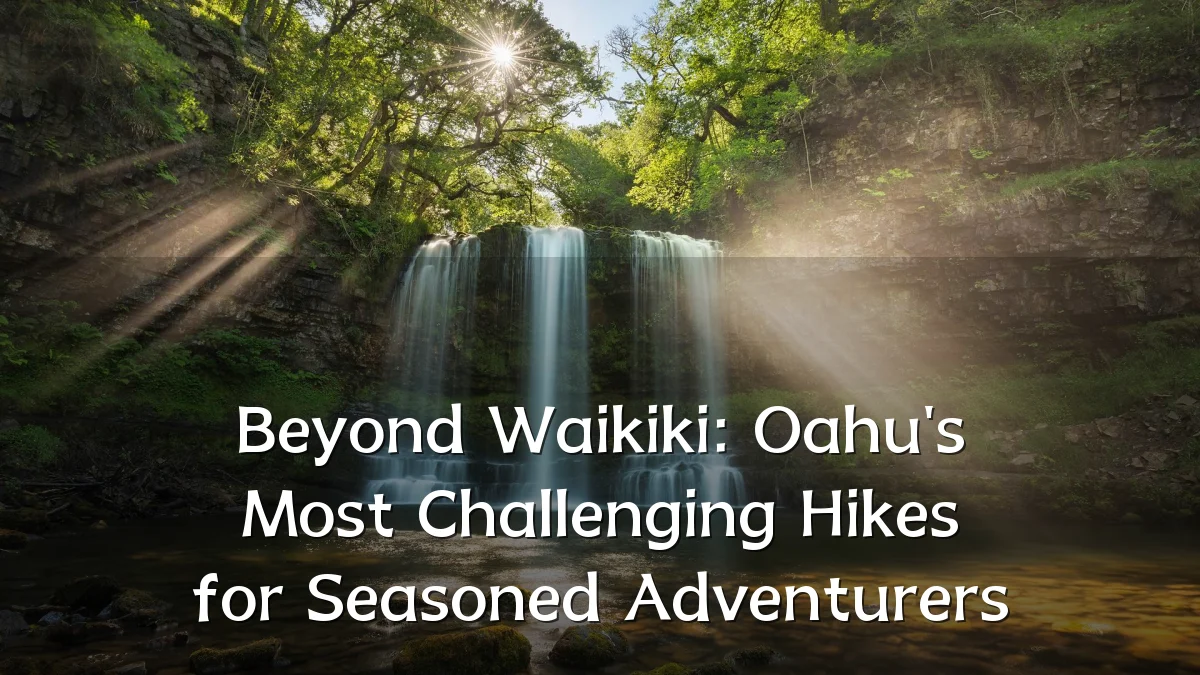
As visitor numbers climb and social media highlights remote ridgelines, Oahu’s network of strenuous trails has drawn fresh attention from experienced hikers seeking terrain beyond Waikiki’s beachfront. This analysis examines recent shifts in adventure tourism, trail conditions, and the practical considerations facing those who tackle the island’s most demanding routes.
Recent Trends in Oahu’s Adventure Tourism
Interest in advanced hikes has grown steadily over the past several seasons. Observations from local outdoor groups and park authorities indicate:

- Increased search volume for routes with “difficult” or “expert” classifications, especially among travelers who have already visited popular coastal spots.
- A rise in early-morning summit attempts to avoid crowds and midday heat on exposed ridges.
- More hikers using GPS-based navigation and offline maps due to limited cellular coverage in steep or forested sections.
This trend aligns with broader shifts in adventure tourism, where participants prioritize physical challenge and solitude over convenience.
Background on Oahu’s Strenuous Trails
Oahu’s challenging routes typically involve steep, unmaintained paths, significant elevation gain, and exposure to weather changes. Representative trails in this category include:

- Ridgeline hikes with narrow crests and drop-offs requiring sure footing and no fear of heights.
- Valley-to-summit routes that ascend through dense vegetation and loose rock, often requiring route-finding skills.
- Coastal scrambles over sharp lava rock with limited shade and strong ocean winds.
These trails are not marked for casual visitors and often lack guardrails or regular patrols. Many are located on public land managed by state or county agencies, though some cross private property with varying access policies.
Key Concerns for Hikers and Land Management
Experienced adventurers and local authorities alike cite several recurring issues:
- Safety and preparedness: Even fit hikers can underestimate heat, dehydration, or trail distance. Rescue operations on remote ridges are time-intensive and may involve helicopter hoists.
- Trail erosion and closures: Heavy foot traffic on steep slopes accelerates erosion, forcing temporary closures for restoration. Some popular advanced trails now require permits to limit daily usage.
- Access and legality: Several highly photographed routes traverse private land; trespassing fines or trailhead barriers have increased in response to unauthorized use.
- Weather volatility: Sudden rain can turn clay surfaces into slick hazards, while trade winds at altitude can exceed safe thresholds for exposed hiking.
These factors mean that a successful and responsible outing hinges on current information, proper gear, and realistic self-assessment.
Likely Impact on Visitor Experience and Safety
The growing demand for advanced hiking is expected to shape both the visitor experience and management responses:
- More formalized permit systems may be introduced for high-impact trails, reducing overcrowding but also limiting spontaneous access.
- Guide services specializing in technical hikes are likely to expand, offering support for those who want expert navigation but lack local knowledge.
- Improved trailhead signage and online alerts will become more common, though some rugged routes may remain deliberately unmarked to discourage unprepared hikers.
- Search-and-rescue resources may be reallocated toward remote areas, potentially increasing response times for lower-risk incidents elsewhere.
For seasoned adventurers, these changes could mean a more regulated but safer experience, with a greater emphasis on self-reliance and planning.
What to Watch Next
Observers should monitor the following developments over the coming seasons:
- New trail classifications: State parks may adopt a rating system distinguishing “strenuous” from “expert” based on technical difficulty and required equipment.
- Digital permit platforms: Real-time availability and reservation apps could replace paper permits, affecting how hikers plan trips.
- Community-led stewardship: Volunteer trail maintenance groups are likely to increase, especially on routes that are not officially maintained but are heavily used.
- Climate impacts: Shifts in rainfall patterns and average temperatures may alter seasonal windows for safe hiking on exposed ridges.
Staying informed through official park websites, local hiking forums, and weather advisories will remain essential for anyone intent on exploring Oahu’s most demanding terrain safely and responsibly.